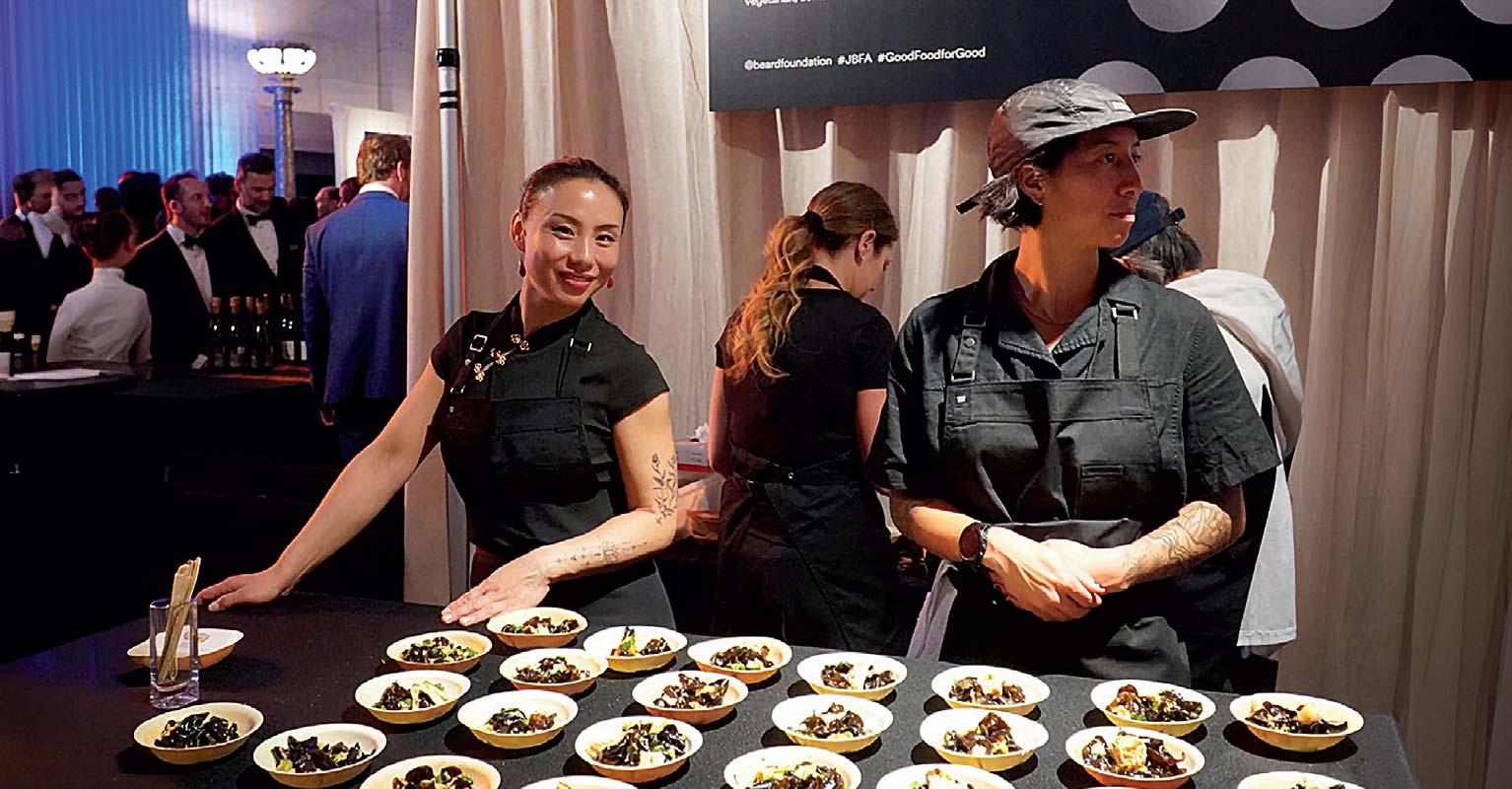
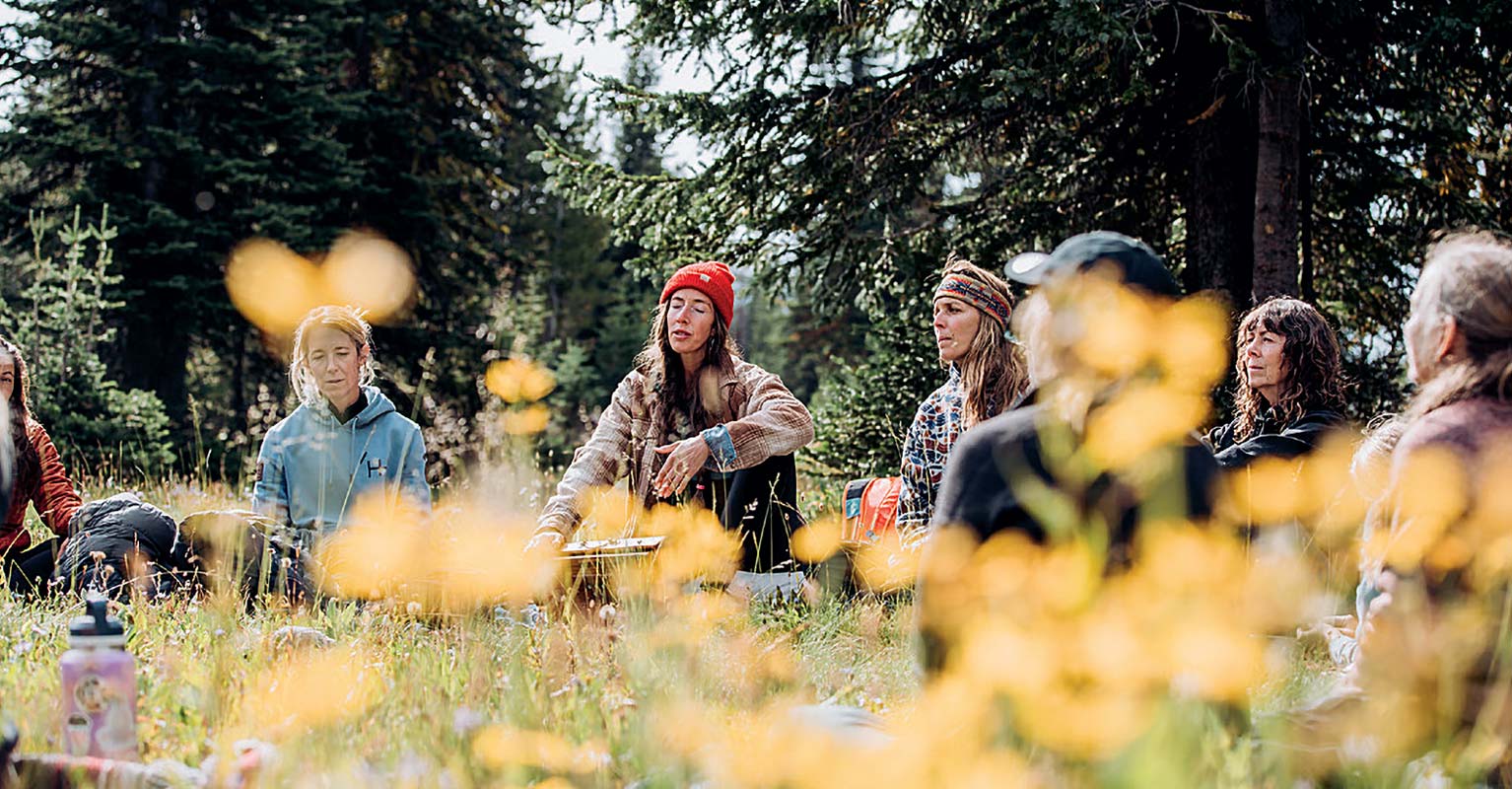
Amaia Sangroniz of Montana State University forages pears and apples with permission from the university campus and surrounding area. Caiseal Orsini (right), owner of Hillside Nursery, considers the fall season a time of abundance and gratitude. Courtesy of Caiseal Orsini
The golden light spreads through the valley, and crisp mornings emerge. Bushes blush full of berries. Tomatoes hang heavy off each vine and split with sweetness. As the first signs of frost appear, each plant’s growth begins to slow. Fall is a season of gratitude. You cared for the soil and the plants; now they are returning the favor.
As the shift from tending toward receiving takes effect, the fall season reminds us to be mindful and to hold community close. Caiseal Orsini, co-owner of Hillside Nursery in Bozeman, describes her immense gratitude as she watches her plants reciprocating care with fruitful abundance. This season of giving, gathering, and gratefulness is where we get to see community truly thrive.
COLLECTING THE LAST ABUNDANCE
Once fall arrives and the gardens become full, harvesting everything at once can feel daunting.
“We don’t have an extensive growing season, so once it hits, it’s really all hands on deck,” says Amaia Sangroniz, instructor of Sustainable Foods and Bioenergy Systems at Montana State University.
With strong roots in Basque culture, Sangroniz holds a unique relationship with growing food. Throughout her career, she’s worked on diversified farms across the Western U.S., with a strong emphasis on supporting food security and developing gardens in high-needs spaces. Sangroniz explains how fall is an incredible time to strengthen community ties and celebrate the local food scene.
In the fall, harvesting becomes a gathering. “Food has always been central to human culture and connection,” Orsini says. Hillside Nursery even invites the community to collect fruit from their orchard, free of charge. “It’s the tree’s gift to us,” she says. This aligns with the concept of “The Honorable Harvest” in Robin Wall Kimmerer’s Braiding Sweetgrass: Indigenous Wisdom, Scientific Knowledge, and the Teachings of Plants. It’s a reminder that what the land provides is meant to be shared and respected.
Timing the harvest matters. “You’ll want to pick your tomatoes on a sunny day; that’s when the sugars concentrate,” Orsini says. “Harvest once you look at them and your mouth salivates.”
Sangroniz recommends picking before a frost. “If we’re getting close to the mid-30s … I will do a big harvest,” she says. “If it’s just one overnight frost, I’ll simply throw a blanket on top.”
One common mistake both she and Orsini see is when gardeners harvest alone. Inviting others lightens the workload and deepens the experience. Extra produce can be shared with neighbors or donated to an area food bank. Once everything is harvested, the next steps are to eat, cook, and store for the winter.
LETTING TIME STAND STILL
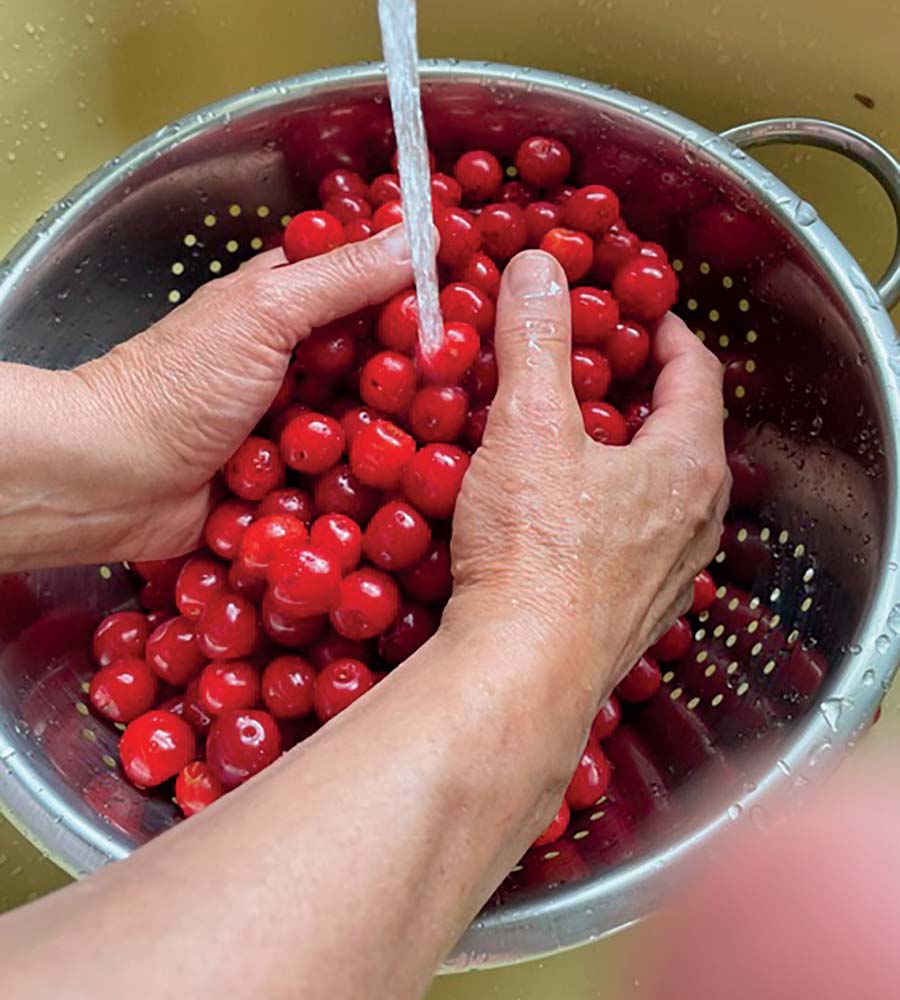
With baskets and hands full, preservation is a perfect way to prolong the season. Between canning, pickling, drying, and freezing, Orsini encourages gardeners not to be daunted and to keep things simple.
Freezing is one of the easiest methods. Sangroniz says that berries freeze especially well. Both Orsini and Sangroniz freeze tomatoes whole: once thawed, the skins slip off effortlessly.
Pickling and drying are also easy, low-input methods. A homemade brine can preserve vegetables very well. As for drying, you don’t necessarily need a dehydrator. Simply turn your oven on to the lowest setting to make delicious fruit leathers.
This kind of processing allows another opportunity for connection. “One of my favorite things about fall is the big jam-making parties,” Sangroniz says.
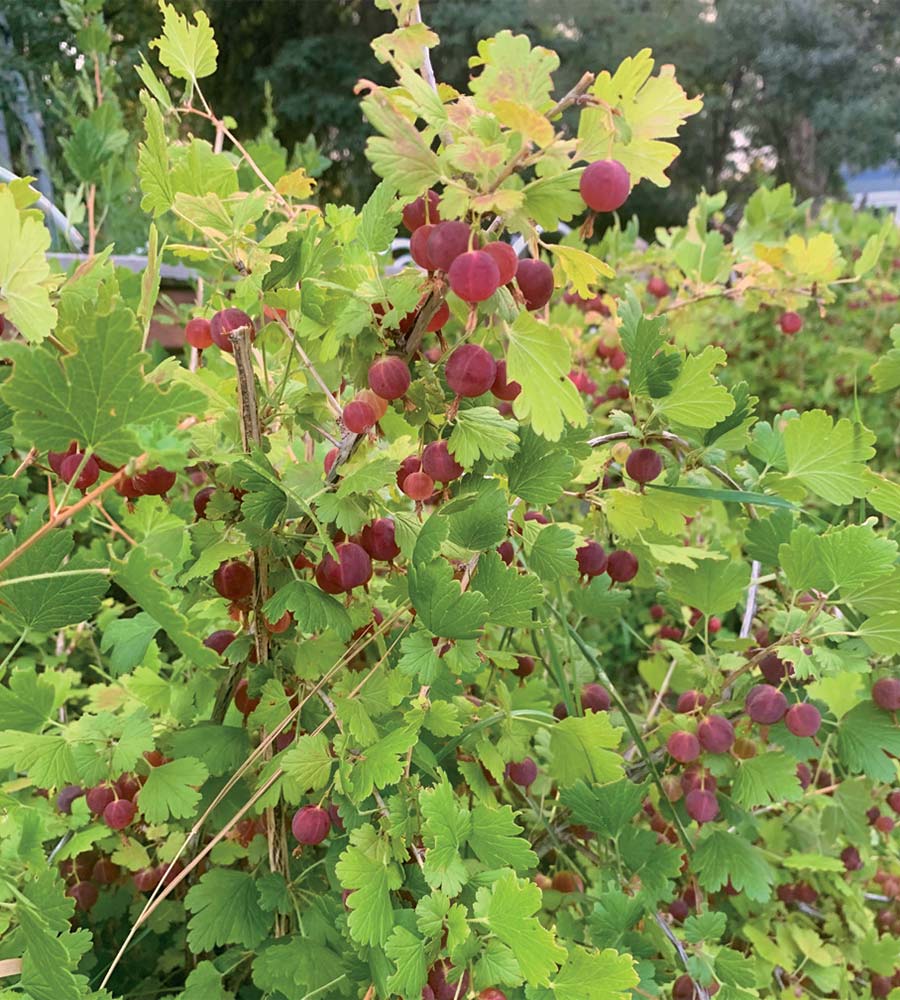
Wild currants run rampant through the valley during the summer. Sangroniz says they are perfect for jams since they tend to be on the bitter side.
Orsini recalls her family’s appreciation of these delicacies: “My family will take a canoe down the Madison and collect these berries. … I make compotes and tonics with them. They are rich in vitamin C and antioxidants.”
WHERE THE WILD THINGS ARE
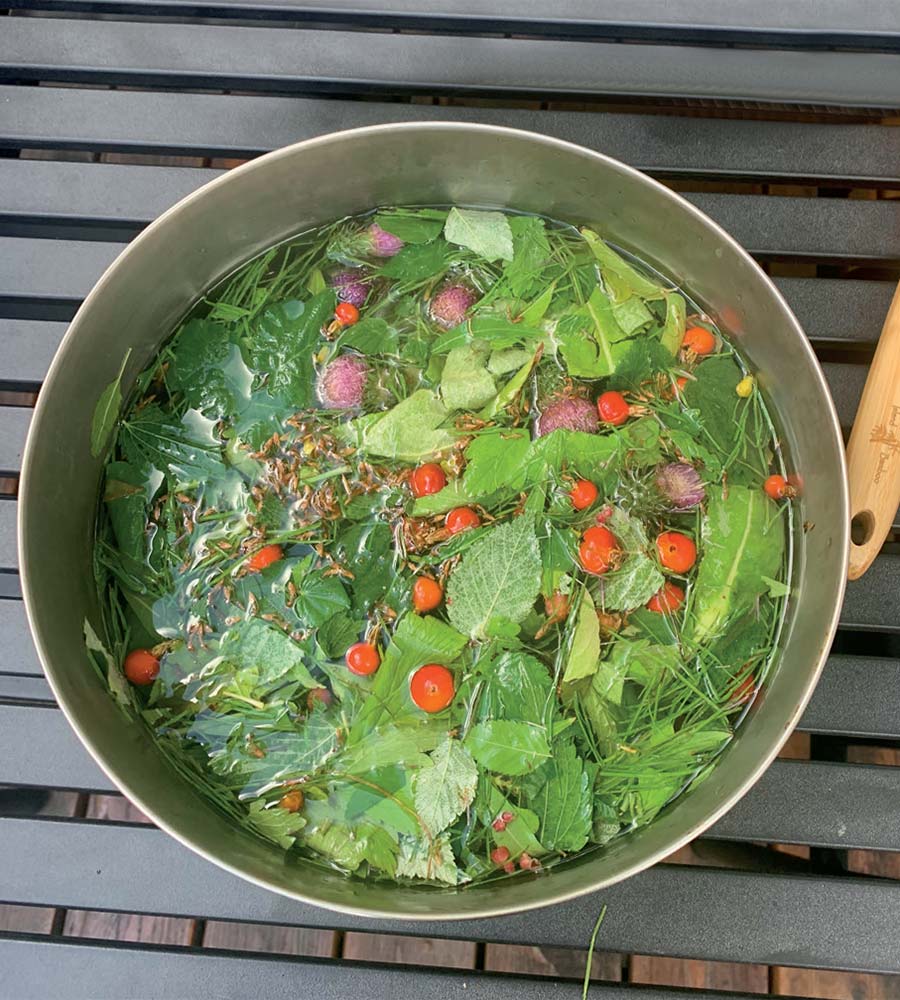
Beyond the backyard, there’s another kind of harvest that happens each fall. Foraging builds a relationship between humans and habitat, but it requires patience, thoughtfulness, and careful consideration.
“If you’re a total beginner, go out with an expert,” Orsini advises, adding that her number one rule is, “You must be certain. With berries and mushrooms, especially.” Never harvest a plant without complete confidence in identifying it correctly.
Sangroniz suggests starting small, with easily identifiable plants. “Begin to familiarize yourself with something like a dandelion, purslane, chickweed, or lamb’s quarters,” she says.
The four plants listed above may just sound like weeds to a gardener. However, when foraging in the wild, the concept of weed doesn’t really exist in the same way as in gardens. After all, a weed is really just a plant growing where it isn’t welcome. In the wild, these same plants, despite being known as invasive, thrive as nourishing species. Foraging for them can have many benefits, not just for our ecosystem but for our own nutrition as well.
“Wild plants are often much greater in nutritional value, depending on where they’re growing,” Orsini says. Purslane, in particular, is an incredibly underrated succulent, rich with antioxidants and omega-3 fatty acids.
When foraging, Kimmerer’s “Honorable Harvest” applies: Take only what you need, and use all of what you take. Sangroniz often reflects on this when she goes out to forage. “I try to be disciplined,” she says. “If I see something I want, I consider whether I’m actually going to use it. Would it be best if I left it for the animals, plants, or someone else?”
The first step in foraging is observing: learning about a landscape, returning again and again, and understanding the patterns over time. Sangroniz describes this through her relationship with cottonwood trees. Each year, she harvests their buds for medicinal purposes, tracking their growth stages throughout the seasons. After an unusually warm winter, she realized that this year she harvested the buds three weeks earlier than the year prior.
As plants adapt to changing, unpredictable conditions, we need to adapt along with them. This doesn’t mean only understanding the plant, but the kinds of conditions it thrives in, reading the plant instead of the calendar to know when to begin harvesting.
For any beginners to foraging, Orsini suggests focusing on one or two plants per season to learn them deeply. Visit them often. Watch them change. Then you will know when you’re ready to harvest that plant. In doing so, foraging can teach us how to better cultivate patience, awareness, and mindfulness within our ecosystem and those we share it with.
FROM ROOT TO RISE
Using the Entire Squash
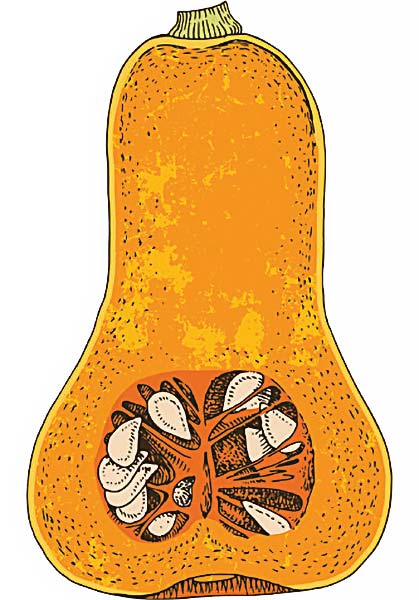
Winter squash can last for months if handled carefully. Although the vegetable seems durable, homegrown squash is much more delicate than many realize. If damaged, they can quickly spoil. As you harvest your squash, leave at least an inch of stem, and store it in a dry, room-temperature space.
Every part of the squash can be used. Blossoms can be tempuraed and stuffed to make blossom poppers. Seeds can be dried and roasted, and skins are dense with nutrients. Orsini likes to roast her kabocha whole, skin and all. Even the pulp, which often gets discarded, can be cooked down and enjoyed in a rich coconut-based soup.
Using the whole plant reaffirms our appreciation of the gift the soil has given us. One person’s waste could be another person’s nourishment. As we continue to strengthen our relationships with the land, we can stay mindful that these plants are a gift, and respect them by not being wasteful.